

The clocks have gone back, the mornings are frosty and the pavements are getting slippery. For many of us, colder weather means a few extra layers and a bit more care on the school run. For older adults, and for anyone who already feels a little unsteady, it can also mean a higher risk of a fall.
The good news is that most falls are not just bad luck. There is plenty you can do to lower your risk, and the right advice and exercise can make a real difference. In this guide, will explain why falls become more common in winter, what you can do about it, and which simple exercises can help you stay steady on your feet.
Why Are Falls More Common in Cold Weather?
Winter brings a mix of hazards, some outside and some inside the body.
- Ice, wet leaves and damp paths. Surfaces are slippery and often hard to see, especially in the dark.
- Shorter days. Less daylight means poorer visibility on walks, steps and driveways.
- Cold muscles and stiff joints. When you are cold, muscles react more slowly and joints feel stiffer, which makes it harder to correct a stumble.
- Bulky clothing and heavy shoes. Thick coats, long scarves and wet footwear can restrict movement or reduce grip.
- Less activity. Many people move less in winter. Strength and balance can drop quickly when we stop being active.
- Lower vitamin D. We make less vitamin D from sunlight in the colder months, and low levels are associated with weaker muscles.
Did you know?
Around one in three people over 65, and about half of those over 80, fall at least once a year. Most falls do not cause serious injury, but they can knock confidence and lead people to do less, which can raise the risk of falling again. Levels are linked with weaker muscles.
Why Fall Prevention Is Worth Taking Seriously
A fall can lead to bruises, sprains and fractures, particularly of the wrist, hip and spine. Recovery can take weeks or months. Just as important is the effect on confidence. Many people who have a fall, or even a near miss, start to avoid walking outdoors, shopping or seeing friends. Sadly, this loss of activity makes muscles weaker and balance poorer, so the risk of falling goes up rather than down. Fall prevention is about breaking that cycle. It helps you stay strong, independent and active, whatever the weather.
Can Exercise Really Prevent Falls?
Yes. Research shows that regular strength and balance exercise can reduce the number of falls in older adults by around a quarter, and more when the programme is well designed and done consistently. The NHS recommends that adults over 65 do strength and balance activities on at least two days a week.
A physiotherapist can look at how you move, find the areas that need work, and build a programme that is safe and suited to you. This matters because the best exercise for one person may be too hard, or not challenging enough, for another.
Simple Strength and Balance Exercises to Try at Home
These exercises are a good starting point for many people. Do them near a sturdy kitchen worktop or the back of a solid chair so you can hold on if you need to. Move slowly and stop if anything hurts or makes you dizzy.
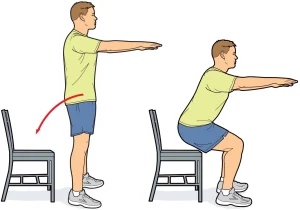
- Sit to Stand
Sit on a firm chair with your feet hip-width apart. Lean slightly forward and stand up without using your hands if you can, then sit back down slowly. Aim for 8 to 10 repeats. This builds the thigh and buttock muscles you need for getting out of chairs, climbing stairs and recovering from a trip.
- Heel Raises
Stand holding the worktop. Rise up onto your toes, pause for a second, then lower slowly. Aim for 10 to 15 repeats. Strong calf muscles help with push-off when walking and with staying upright on uneven ground.

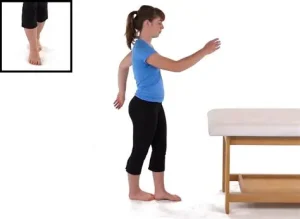
- Heel to Toe Stand
Place one foot directly in front of the other, as if standing on a tightrope, with the heel of the front foot touching the toes of the back foot. Hold the worktop lightly and try to stay steady for 10 seconds. Swap feet. As you improve, try holding on with just one finger, then not at all.
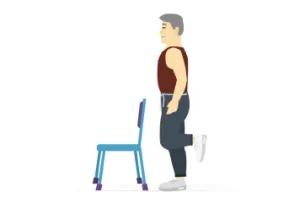
- Single Leg Stand
Holding the worktop, lift one foot a few centimetres off the floor and balance on the other leg for up to 10 seconds. Swap sides. This trains the small stabilising muscles around the ankle, knee and hip that react when you step on something unexpected.
- Walk Heel to Toe
Walk slowly along a hallway, placing each heel directly in front of the opposite toes. Keep your eyes up and stay close to a wall for support. This challenges balance while moving, which is closer to real life.
Safety first
Stop and seek advice if an exercise causes pain, dizziness, chest tightness or breathlessness. If you have had a recent fall, a medical condition that affects your balance, or you are unsure whether these exercises are right for you, book an assessment before you begin.
Practical Tips to Prevent Falls in Winter
Exercise works best alongside a few sensible habits. Here are some simple ways to lower your risk when the weather turns.
Outdoors
- Wear shoes or boots with a good tread and a firm, flat sole. Avoid worn soles and smooth slippers outside.
- Walk slowly on wet or frosty ground and take small steps with your feet slightly out to the side on icy patches.
- Use a walking stick or ice grips if you are less steady. Keep your hands free by using a rucksack or a trolley for shopping.
- Plan walks for daylight where you can, and stick to well lit, gritted routes.
Indoors
- Keep hallways, stairs and walkways clear. Remove loose rugs or fix them down.
- Use brighter bulbs and night lights on the route to the bathroom.
- Wipe up wet floors straight away, and wear supportive slippers or shoes, not just socks.
- Fit grab rails in the bathroom and a second handrail on the stairs if needed.
Looking After Your Body
- Keep moving every day, even on cold days. Short indoor walks and the exercises above all count.
- Have your eyes tested regularly, and make sure your glasses are clean and up to date.
- Ask your GP or pharmacist to review your medicines if you feel dizzy or drowsy, as some tablets can affect balance.
- Eat well and stay hydrated. The NHS advises that many people should consider a daily vitamin D supplement during autumn and winter, so check what is right for you.
How Can a Physiotherapist Help?
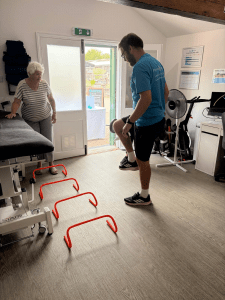
A falls prevention assessment with a physiotherapist gives you a clear picture of your risk and a plan to reduce it. At Physio-logical in Havant, we can help with:
- Checking your balance, strength, walking pattern and range of movement.
- Designing a personal strength and balance programme you can follow at home.
- Treating pain, stiffness or weakness in the hips, knees, ankles and back that may be affecting your stability.
- Advising on walking aids and safe ways of moving around the home.
- Rebuilding confidence after a fall or a near miss.
You do not need to wait for a fall to happen. If you, a parent or a loved one feels less steady than before, now is a great time to get checked, before the worst of the winter weather arrives.
Frequently Asked Questions
At what age should I start thinking about fall prevention?
Strength and balance naturally decline from midlife, so it is never too early to start. Most formal fall prevention advice focuses on people over 65, but anyone who feels unsteady, has had a fall, or has a condition affecting balance can benefit at any age.
How often should I do balance exercises?
Aim for at least two days a week, although little and often is ideal. Many people find it easiest to fit a few minutes of exercises into their daily routine, for example while the kettle boils.
What are the warning signs that I might be at risk of falling?
Common signs include feeling unsteady, holding onto furniture when walking, finding it hard to get out of a chair, tripping more often, dizziness when standing up, and avoiding activities because you worry about falling.
Will exercise help if I have already had a fall?
Yes. Many people improve their strength, balance and confidence after a fall with the right programme. It is best to be assessed first so that exercises are safe and set at the right level for you.
Do I need a referral to see a physiotherapist?
No. You can book directly with us without a GP referral. If you have private health insurance, check with your provider about how to claim.
If any of this sounds familiar, we would love to hear from you. Book in for an assessment and let us look at the whole picture, not just the sore bit.
📞 02394 350270
🌐 www.physio-logical.net
📍 The Stable Block, Stansted Park, Rowlands Castle